

Those Kids from the '80s.
Two Worlds,
One Frequency
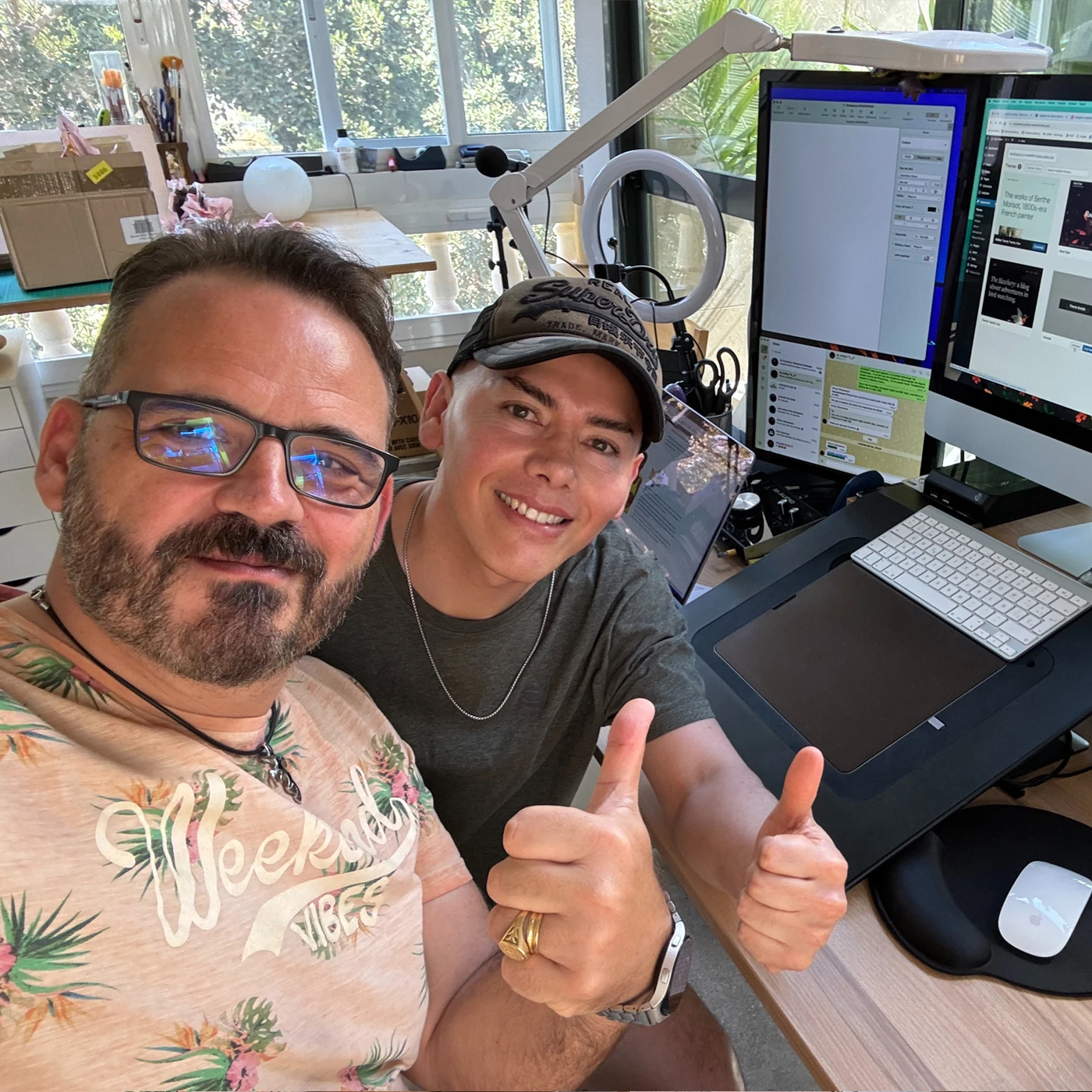
By ArtMan we are Arturo and Manel. Our project wasn't born in a conventional studio, but rather in the convergence of two paths that collided at an agency in Germany. They say some encounters are destined—what in Arab culture is called Maktub— and ours was the starting point for something bigger.
Our roots in Peru and Spain gave us different backgrounds, but when we met, the connection was instantaneous. It was like discovering that, although we grew up on different sides of the world, we both spoke the same emotional language: that of those kids who didn't always fit in on the playground and who found their best refuge in creativity.
That immediate "bromance," forged amidst advertising campaigns, became the need to reclaim our experiences of the '80s—those days of Walkmans, VHS tapes, and scraped knees—and give them new life through the Gullies.
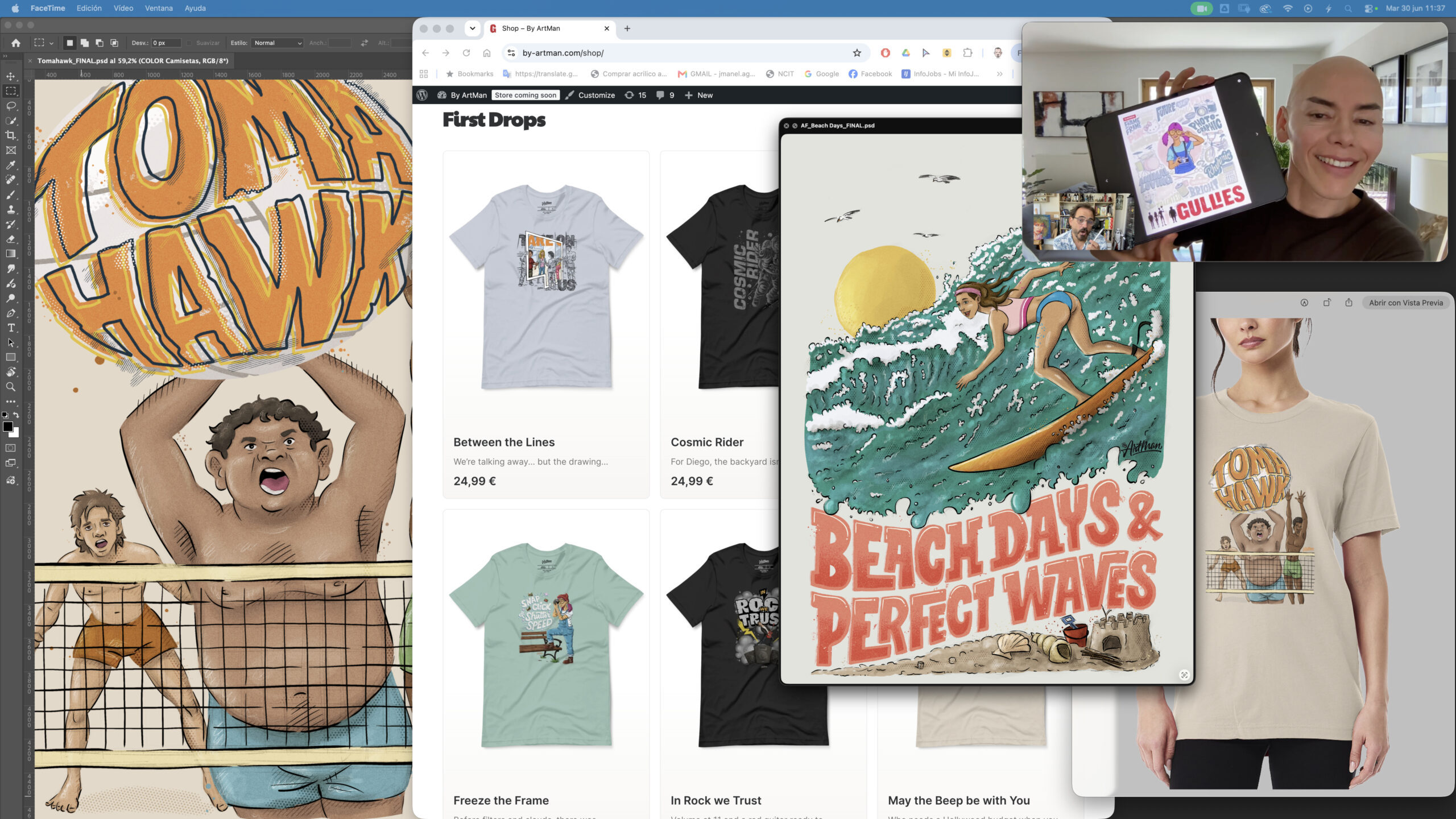
Perfect Balance: Letter/Line
In our process, there are no hierarchies. We believe that a powerful message only survives if image and word dance to the same rhythm. Each project is born from a shared brainstorming session where we define the message before making the first stroke.

Lettering with Attitude
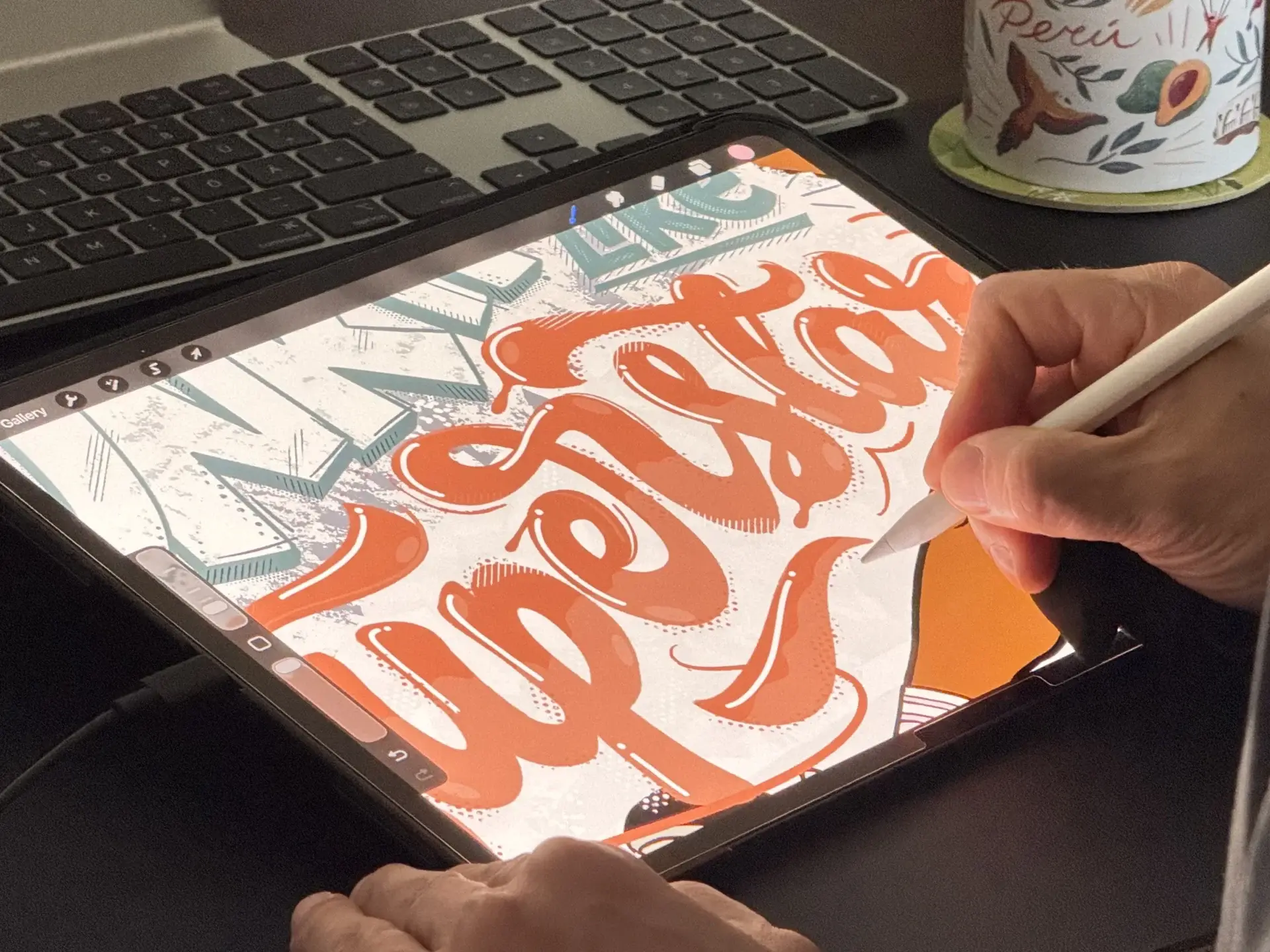
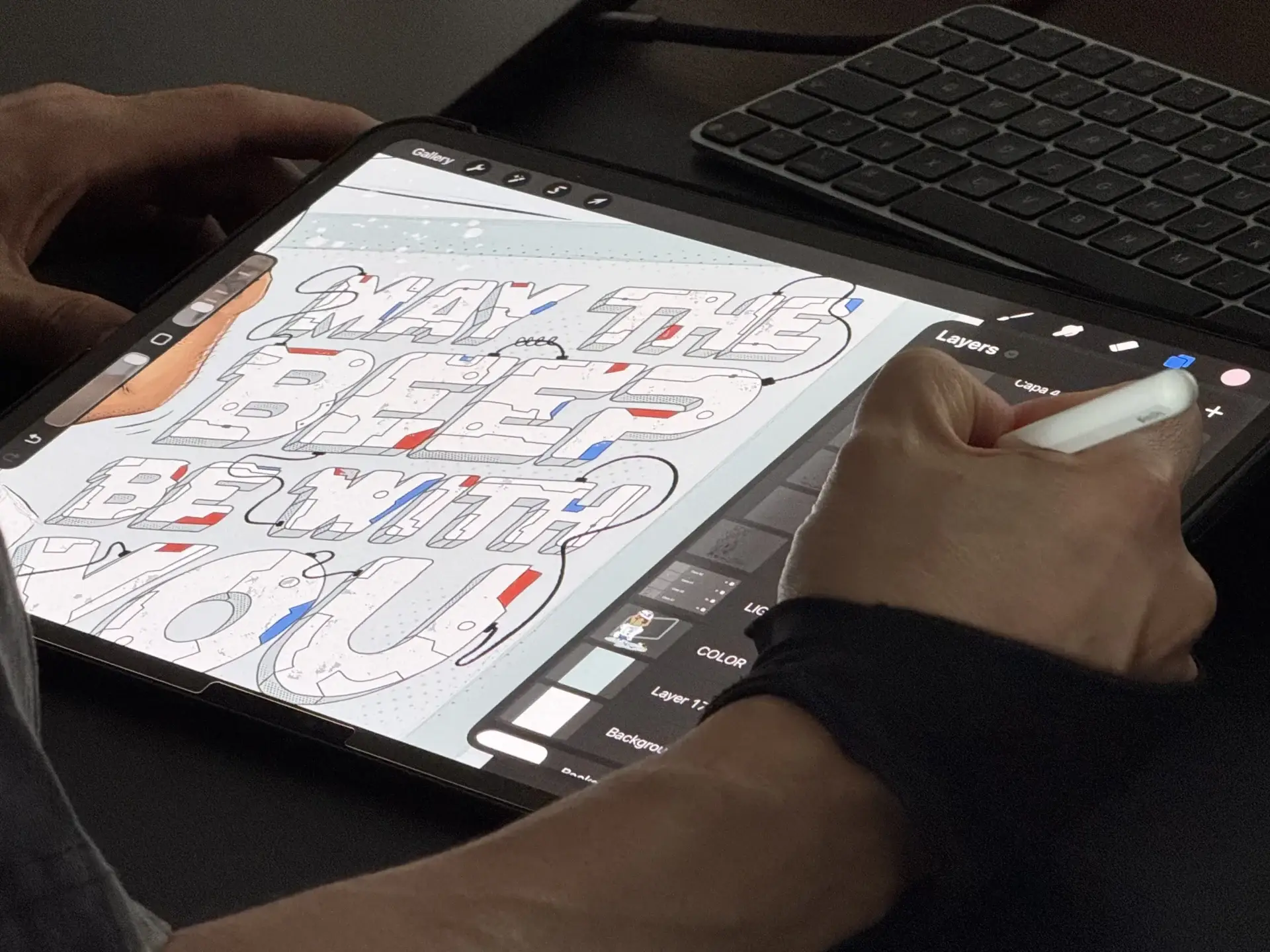
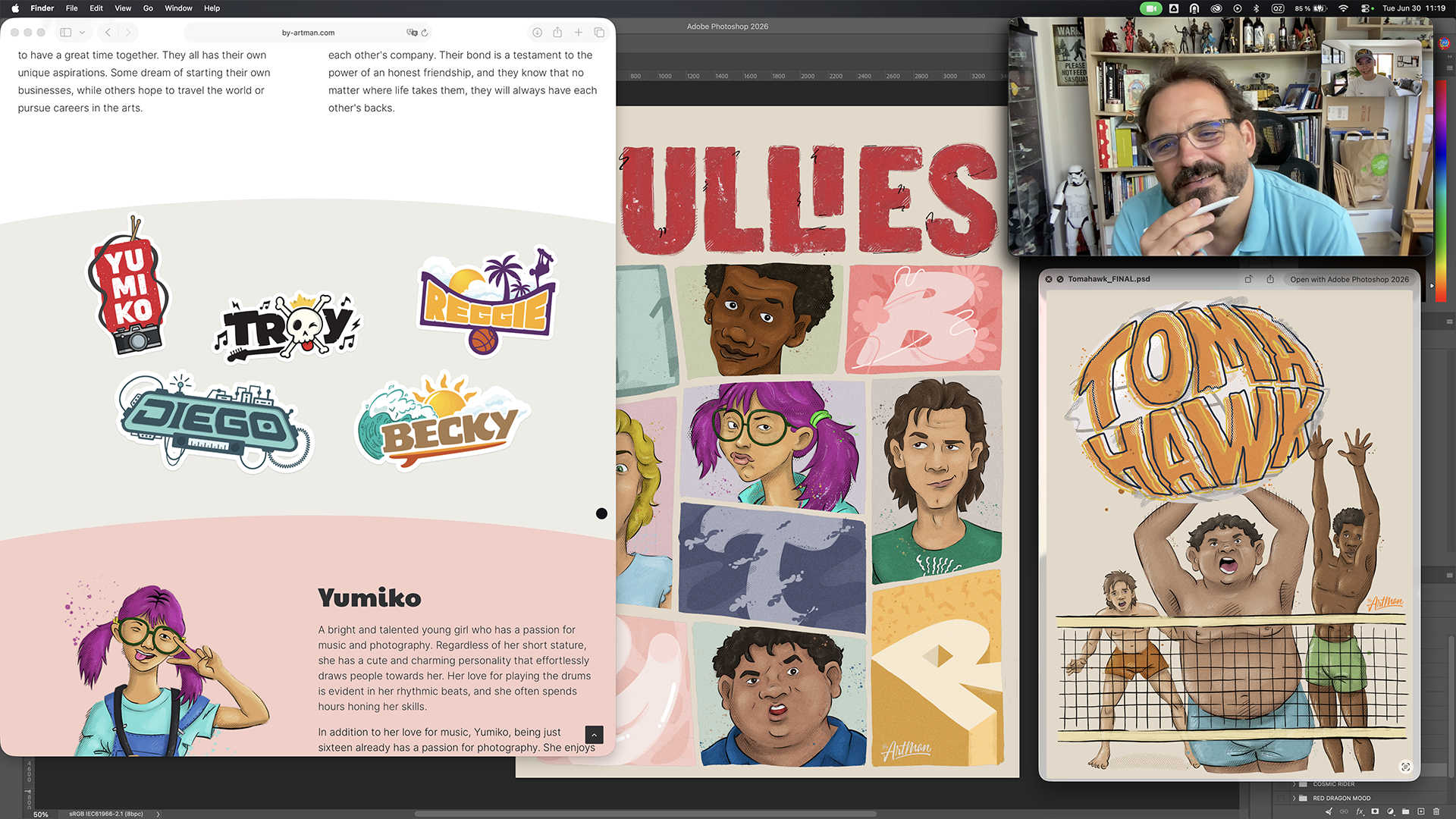
For Arturo, typography is a living organism. We don't seek the perfection of a static font, but rather the power of custom-made lettering. Depending on the story, the lettering can be casual, broken, powerful, or playful. Arturo molds each character so that it integrates organically into the layout, making the text not only readable, but also shout, whisper, or leap alongside the illustration. It's the flexible architecture that gives meaning to the message.
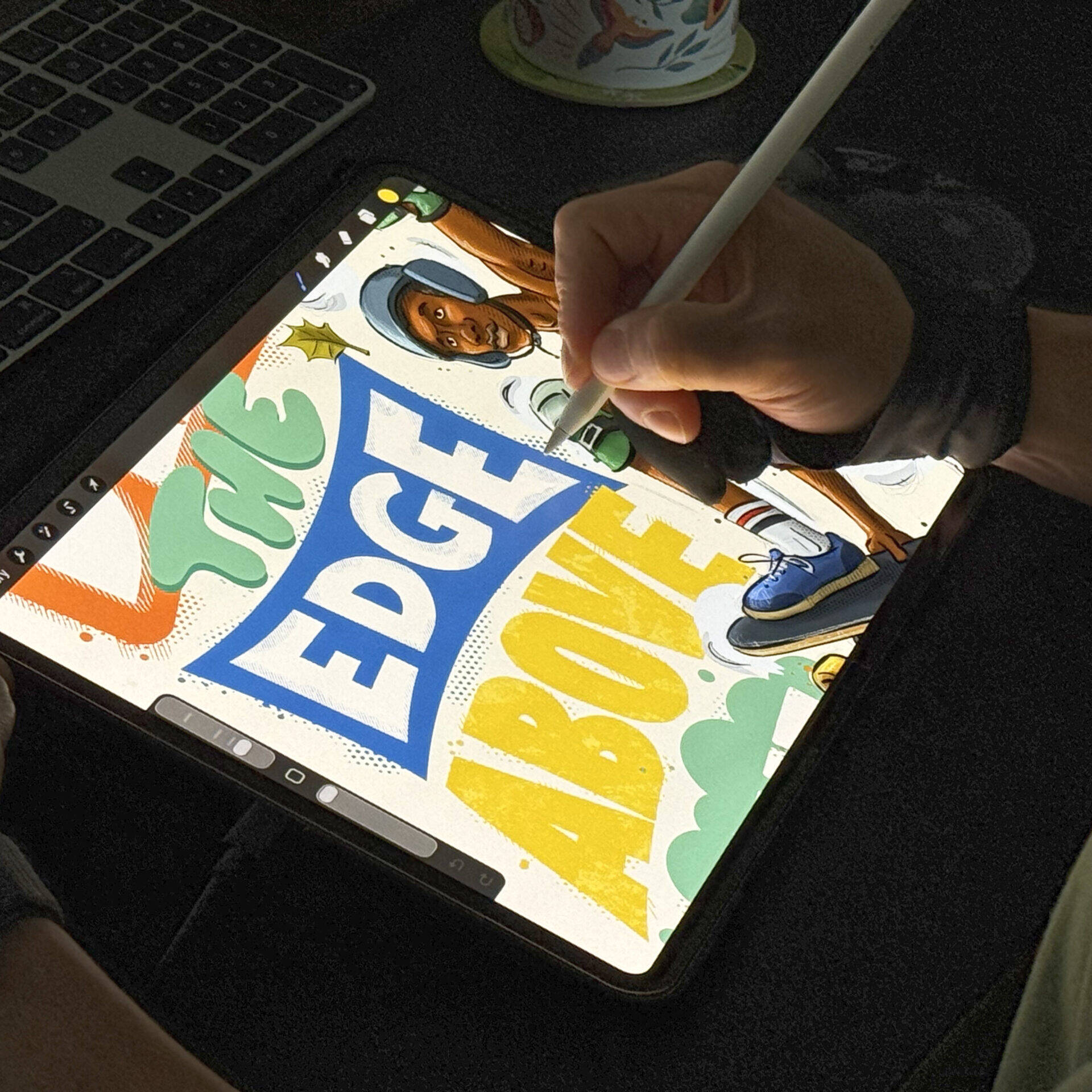
Illustration with Memory
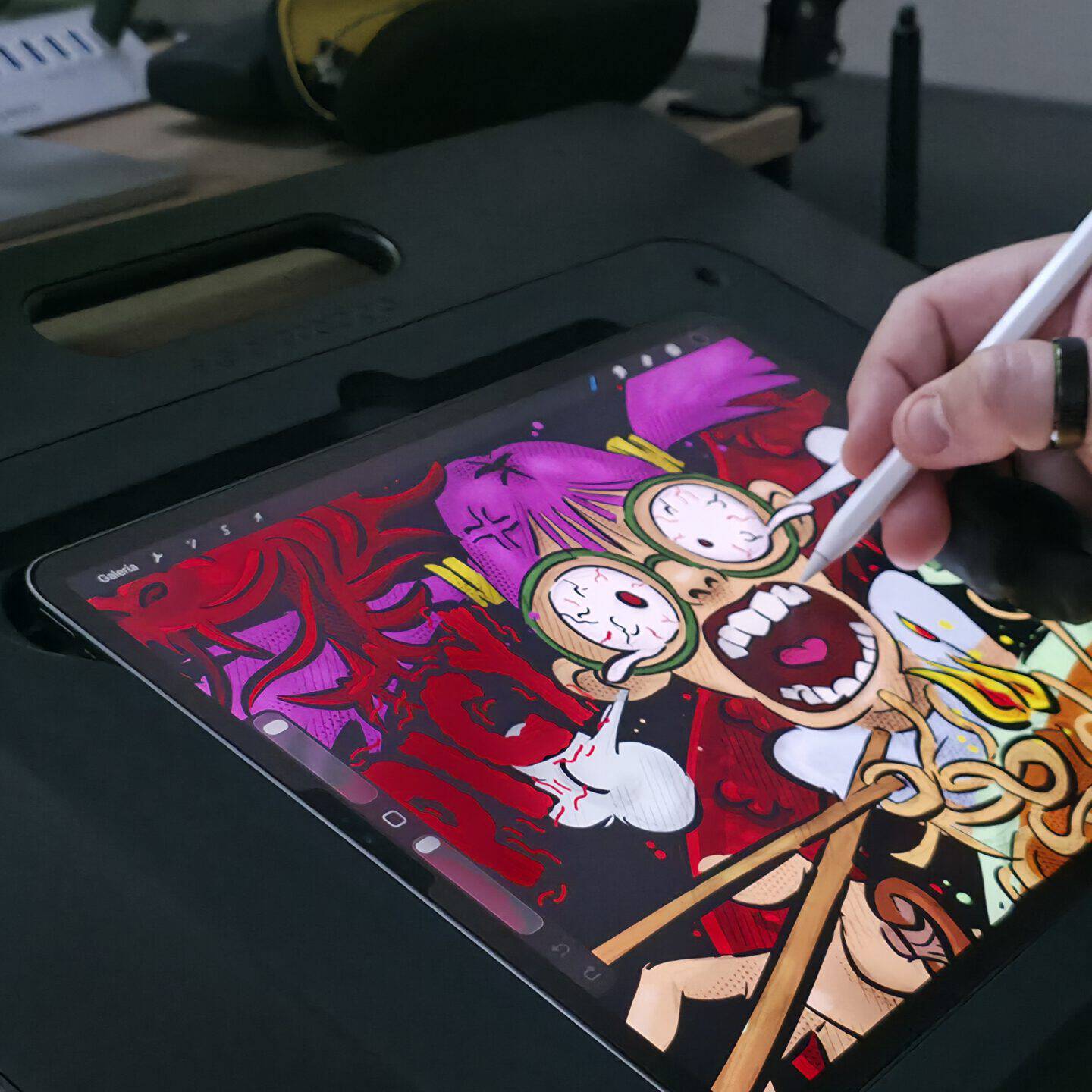
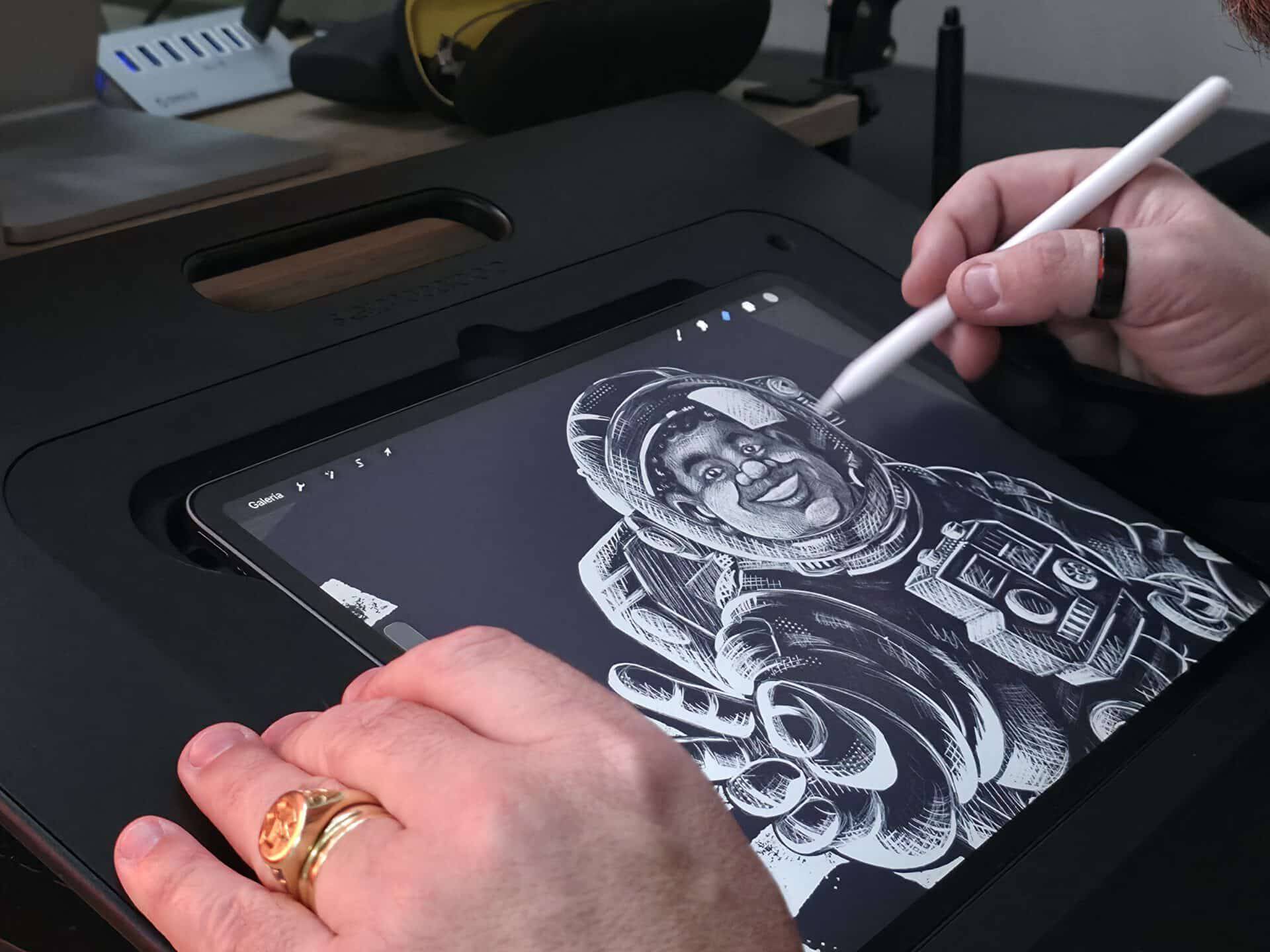
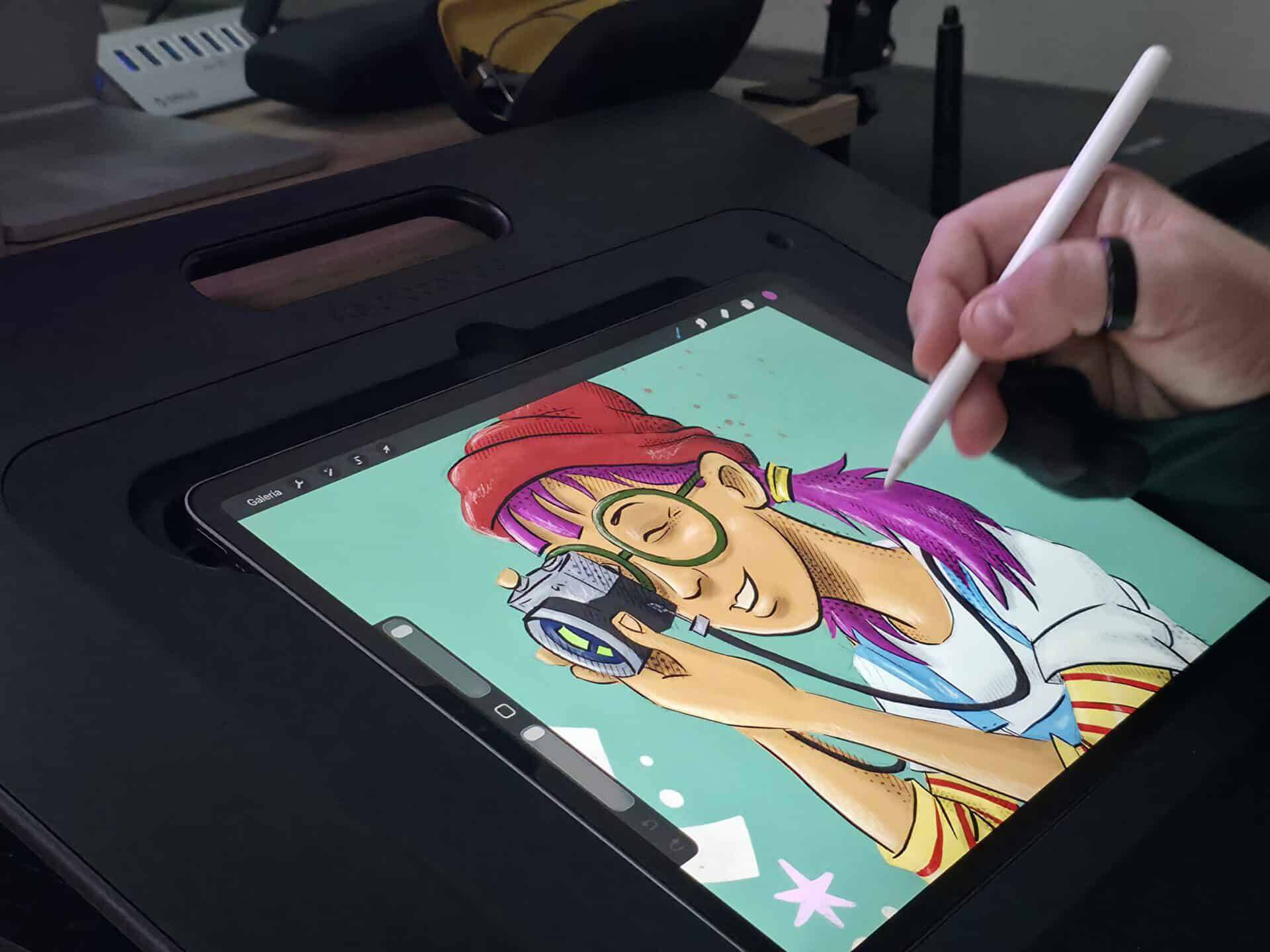
If words convey attitude, illustration is the soul of the story. Manel is responsible for bringing the Gullies to life with a modern graphic style, yet one deeply imbued with nostalgia. Through patterns, textures, and lines that retain the freshness of the sketch, he creates an aesthetic that feels like a treasure rescued from the past. Manel accurately portrays the essence and customs of an era, ensuring that each character tells their own story.